The Importance of Stormwater Management on Construction Sites
An effective stormwater management system prevents runoff from carrying sediment, debris and pollutants into nearby waterways. This is just one of many reasons that stormwater control is an environmental responsibility and a critical part of a well-executed civil construction and site preparation project.
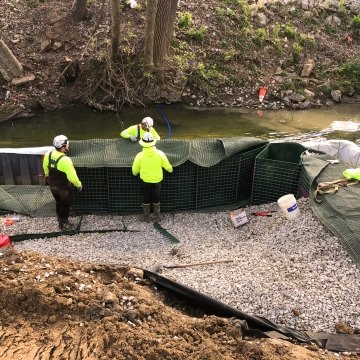
Why Stormwater Management Is Important
Stormwater management protects a job site and the surrounding communities. It involves temporary and permanent systems that control how surface runoff travels. Poorly managed runoff can cause soil erosion that weakens foundations, damages new infrastructure and leads to flooding that carries pollutants (like oil and silt) into local water systems. Stormwater issues can also lead to fines for regulatory noncompliance. By integrating stormwater management systems into the early stages of a site design, contractors can control water flow while keeping projects efficient, compliant and safe.
Site Grading for Stormwater Management
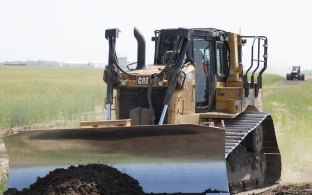
One of the first steps in preparing a site for construction is grading. This helps water naturally flow away from structures and work areas. Grading plans are designed to direct water toward designated drainage areas or retention basins, prevent excess standing water and stabilize slopes. Grading crews use precise methods to shape the land so it supports long-term stormwater performance.
Common Stormwater Management Techniques
Construction teams use a variety of methods to control and collect stormwater throughout a project’s lifecycle. These are some of the common stormwater control measures and their use cases:
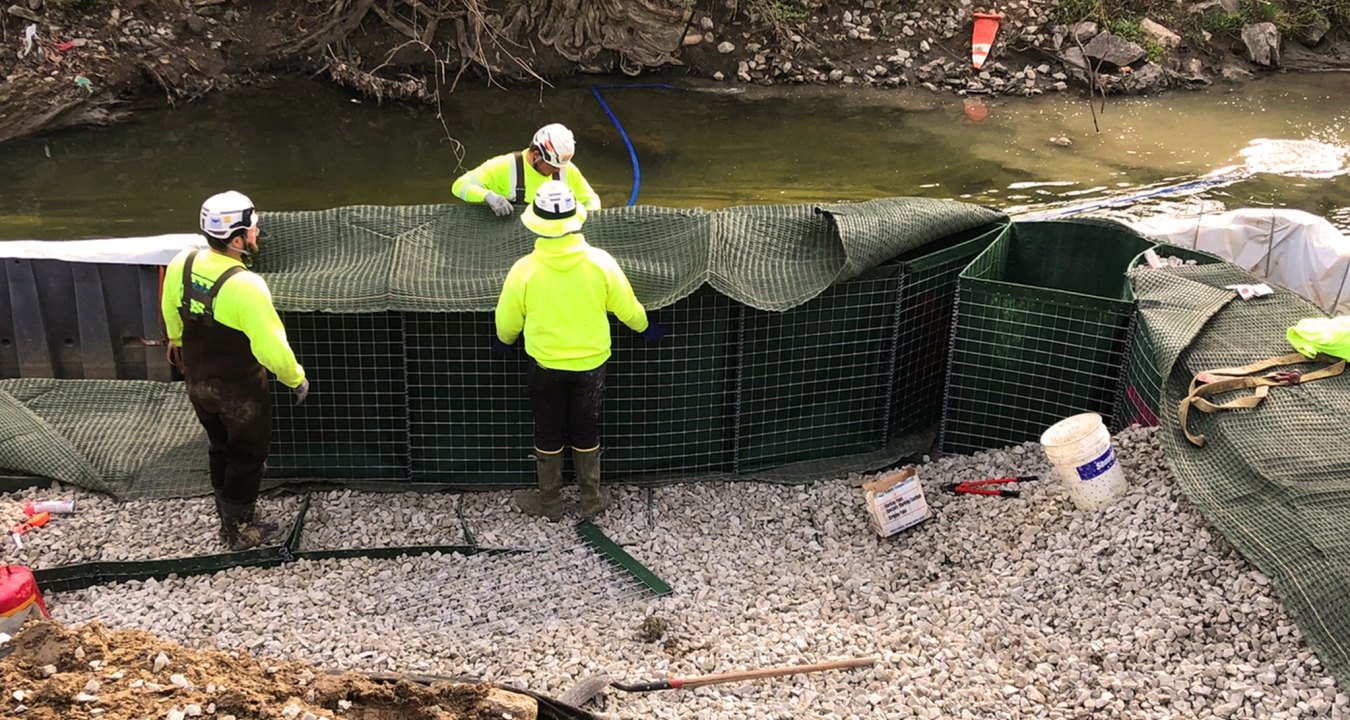
- Erosion and Sediment Control: From silt fences to sediment basins, erosion control techniques trap soil before it leaves a site. Another example of this is stabilizing areas with vegetation or stone to minimize sediment runoff.
- Detention and Retention Basins: These basins hold stormwater to control flow rates while sediment settles. They are designed to reduce downstream flooding and water pollution.
- Storm Sewer Systems: Underground stormwater systems direct runoff safely to discharge points through sewer pipes.
- Permeable Surfaces and Infiltration Systems: When feasible, infiltration trenches can be installed to help water seep back into the ground and reduce runoff volume.
- Temporary Drainage Solutions for Construction: During active construction, temporary ditches and dams can be used to divert water until permanent infrastructure is installed.
Storm Sewer Pipe Materials
Most sites eventually have a storm sewer system with pipes that direct water to discharge points. The best type of material to use for sewer pipes depends on the soil conditions around the site, along with performance needs. For instance, in areas where rainfall is more common, or at the bottom of a slope or hill, RCP may be a good option. Common materials include:
- Reinforced Concrete Pipe (RCP) – Extremely durable and ideal for high-load areas.
- High-Density Polyethylene (HDPE) – Lightweight and corrosion-resistant.
- Polyvinyl Chloride (PVC) – A cost-effective option for smaller-diameter storm sewers.
- Corrugated Metal Pipe (CMP) – Used in certain applications requiring high strength and rigidity.
When you work with experienced construction contractors, like the team at Castle Contracting, they will evaluate your project’s needs to determine the best approach to installing a storm sewer. Whether we are managing your entire construction project or providing a site development and improvement plan, our experts consider factors like hydraulic capacity and soil conditions to recommend the ideal materials for wet utilities.
The Benefits of Stormwater Management Beyond the Construction Site
Stormwater management isn’t just a construction requirement; it’s also important for sustainable infrastructure and community planning. Every developed community must account for how rainfall and melting snow will travel across surfaces and be managed.
To fully understand the impact of stormwater management, consider how stormwater affects the environment if it is not managed. Whenever natural ground cover is replaced with concrete, asphalt and buildings without the water control methods, surface runoff flows erratically. This runoff picks up sediment, oil, fertilizers and other pollutants from roads, lawns and industrial areas. The contaminants degrade habitats and impact drinking water sources – damage that often cannot be undone.
Stormwater management systems safely regulate this water flow to prevent localized flooding, protect water quality and ensure that downstream ecosystems receive water at sustainable rates.
Trust Our Experienced Site Preparation Team
Proper stormwater system design and installation require collaboration among civil engineers, site preparation crews and construction teams. Work with a crew that you can trust to prepare your site correctly and handle all wet utilities with clear communication and decisive action. Castle Contracting is up to the task.
Learn more about working with us by filling out our contact form.