Erosion Control in Construction: Why It Matters and How to Do It
Soil erosion on a construction site can lead to costly damage and safety risks. Without proper controls, sediment will shift and damage the site or even nearby properties, waterways and infrastructure. That’s why erosion and sediment control are often legal requirements for construction sites. There are several methods; using the right one for each use case protects the environment, keeps projects compliant and helps project owners avoid delays and rework.
What Is Soil Erosion in Construction?
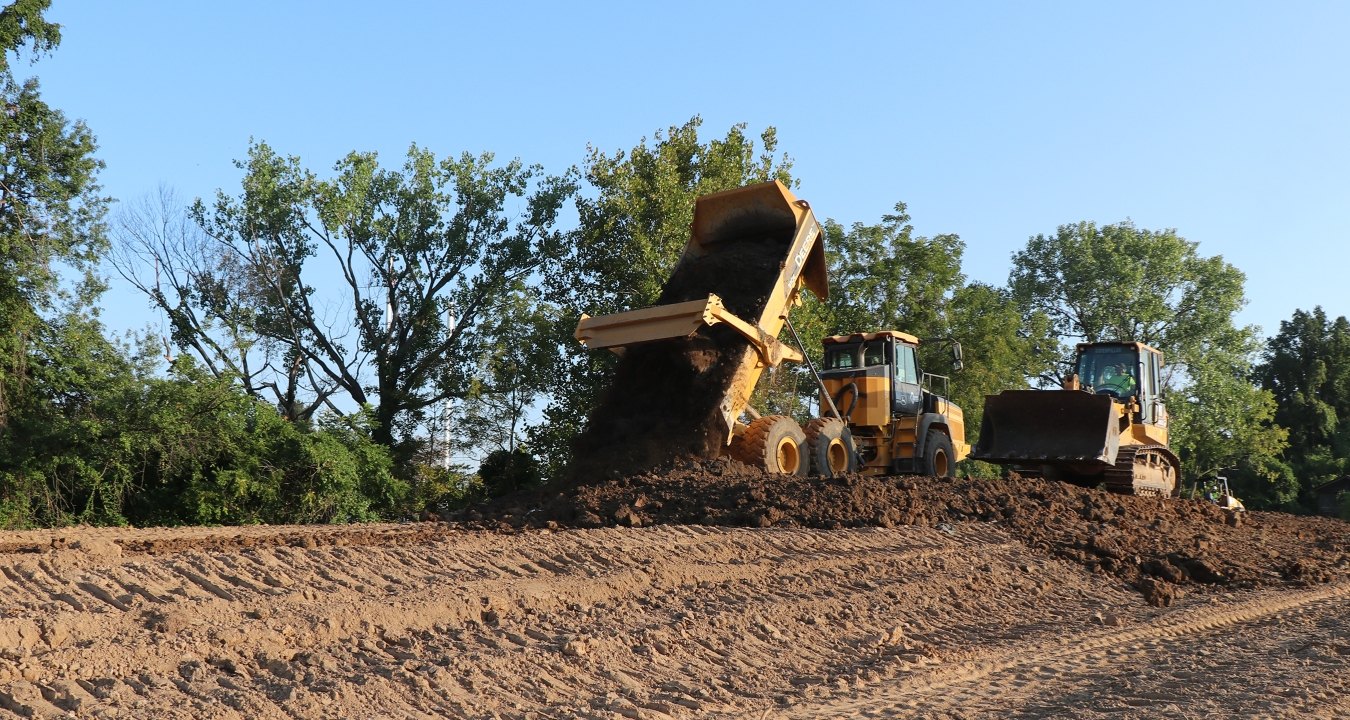
Soil erosion occurs when elements like rainfall, runoff or wind move or wear away exposed soil. When vegetation or ground cover is removed or disturbed, such as during construction site clearing and grading, soil becomes more vulnerable to the forces of nature. Areas with exposed soil, slopes or concentrated water flow are especially prone to erosion.
The Importance of Controlling Soil Erosion
After sediment leaves the construction site, it often ends up in storm drains or nearby bodies of water. This can clog drainage systems, worsen water quality and harm aquatic life.
With proper erosion control systems on your site, you can expect improved:
- Compliance – Most construction projects entail local, state or federal erosion and sediment control regulations. Failure to comply can result in stop-work orders, fines or permit violations.
- Cost control – Repairing erosion damage is more expensive than preventing it. By taking proactive measures now, you can avoid future sediment cleanup, re-grading, and damaged infrastructure.
- Environmental protection – Sediment runoff can cause water pollution. Erosion control helps protect lakes, rivers and wetlands from long-term damage.
- Site stability – Uncontrolled erosion can harm foundations and construction site access roads, creating safety hazards. Stabilized soil reduces the risk of structural issues and improves safety for both people and equipment.
How to Create an Erosion and Sediment Control Plan
A successful erosion and sediment control plan (ESCP) outlines steps to prevent soil from leaving a construction site and entering nearby waterways or storm drains.
Follow these 7 steps to create your ESCP:
- Assess site conditions, including soil type, slopes, drainage patterns and proximity to bodies of water. Careful site selection, proactive layout and planning can reduce erosion risk.
- Create a timeline that will minimize soil disturbance. Consider scheduling grading activities to avoid heavy rainfall. Strategically phase construction to ensure control measures effectively reduce erosion as work progresses.
- Determine specific soil erosion control methods for specific areas and applications. These methods may include silt fences, erosion control blankets, and sediment basins. (See method details below.)
- Create dedicated and stable entrances and pathways on the jobsite for vehicles and equipment. This might include introducing temporary gravel roads at construction site entrances and keeping all crews and vehicles on prepared paths between worksites.
- Address maintenance and monitoring. Erosion controls require regular inspections, especially after rainfall. Make repairs or replacements as needed.
- Provide next steps for long-term erosion control. The plan should outline when temporary measures will be removed and how you will permanently stabilize disturbed areas. Permanent methods include seeding, mulching or other ground cover when construction is complete.
- Specify roles and responsibilities for executing the plan and share it with all relevant stakeholders.
How to Prevent Erosion: Common Types of Erosion Control
Silt Fences
An erosion control silt fence is a temporary sediment barrier used on construction sites to prevent stormwater runoff from washing away loose soil. These fences are typically made of fabric stretched between posts and installed along slopes, site boundaries or at the edge of disturbed areas. The fabric allows water to pass through while trapping sediment, slowing runoff and keeping soil on site.
Erosion Control Blankets and Mats
Using stakes or staples, construction workers place permeable fabric blankets and erosion control matting directly over exposed soil to protect it from rainfall and runoff. Erosion control blankets (ECB) and mats (ECM) are perfect for slopes, channels and newly seeded areas to help hold soil in place while vegetation becomes established.
Seeding and Plant Cover
Planting vegetation is an effective long-term erosion control strategy. Erosion control plants like grasses and shrubs stabilize soil with their root systems. Temporary seeding can be used during construction, followed by permanent landscaping once the project is complete.
Mulching
Mulch is a great way to protect exposed soil. Mulch for soil erosion works by absorbing rainfall and slowing runoff.
Sediment Basins and Traps
Construction sediment basins and traps capture runoff and allow sediment to settle before water is released. These temporary stormwater control structures are common on sites that require mass grading. They help prevent sediment from leaving the area and protect nearby waterways.
Terracing
Terracing involves careful excavation to create a stepped or layered jobsite to reduce the surface area of sloping ground that is susceptible to erosion. In most cases, the site development contractor will be responsible for terracing, though every agreement differs. It’s important to work with a contractor who understands how to prevent water erosion and account for other weather events like frost or strong winds.
Diversion Ditches and Swales
These structures redirect sediment-rich runoff, helping to prevent erosion in vulnerable areas of the construction site. They typically consist of reinforced or lined compacted earth and may also include erosion control devices like vegetation or matting for added stability.
When Planning and Maintenance Are Critical, Trust Our Experienced Team
Expertly performed soil erosion control on a construction site will protect the environment, help maintain compliance and improve a project’s outcome.
At Castle, we understand the importance of controlling soil erosion during a project and long after completion. Our experience in erosion control and stormwater management solutions makes us a trusted partner for construction projects, from renewable energy to healthcare! Learn more about working with Castle when you contact us online today.