The Difference Between a Retention Pond and a Detention Pond
Stormwater management is a critical part of any well-executed site development project. For controlling runoff, two of the most common stormwater basin solutions are retention and detention ponds. Understanding the difference between a retention and detention pond empowers project owners and contractors to choose the right approach for their site.
What Is a Retention Pond?
A retention pond (also called a wet pond or retention basin) is a permanent body of water designed to hold stormwater runoff. It always maintains a standing pool of water. As stormwater flows in from the surrounding drainage area, water rises while sediment settles to the bottom. Excess volume releases slowly through an outlet structure into downstream waterways at a controlled rate.
Due to long-term reliability, retention pond construction is common on residential developments, commercial sites and areas with significant impervious surfaces.
How Does a Retention Pond Work?
The purpose of a retention pond is twofold: managing water runoff volume and improving water quality. A retention pond receives runoff through inlet structures and holds it in a permanent pool. Water exits slowly through a riser or weir outlet, maintaining the standing water level, while excess volume drains at a managed rate. Sediment and pollutants settle continuously in the standing water, improving ground water quality over time and protecting the surrounding ecosystem.
What Is a Detention Pond?
A detention pond (also called a dry pond or a detention basin) temporarily holds stormwater after a rain event and releases it slowly. Unlike a wet pond, a dry detention pond drains completely between storms, leaving an empty basin most of the time.
Detention pond construction is common on construction sites, along roadways and in areas where a permanent water feature is not practical or permitted.
How Does a Detention Pond Work?
The purpose of a detention pond is to manage stormwater and prevent downstream areas from flooding or eroding. A dry detention pond collects runoff in a temporary pool that rises during and after rainfall. Water exits through an outlet structure designed to flow at a controlled rate. Once the storm passes and the basin empties, the area returns to dry ground. Stormwater detention basin design must account for the site's drainage area, soil conditions and the volume of runoff generated by local storm events.
Related Content: The Importance of Stormwater Management on Construction Sites
Detention Pond vs. Retention Pond: Key Differences
In any detention basin vs. retention basin comparison, the primary defining factor is holding water either temporarily (detention/dry pond) or permanently (retention/wet pond). But there are a few other characteristics that separate the two.
- Water presence: Retention ponds hold water permanently. Detention ponds drain completely between storms.
- Primary purpose: Both manage stormwater and mitigate flooding and erosion. Retention ponds also improve water quality by allowing pollutants to settle.
- Common setting: Retention ponds are common on residential and commercial sites. Detention ponds are typical on construction sites and roadways.
So, there are many similarities between a wet pond vs. a dry pond, and both stormwater basin types release water at a controlled rate. The right choice depends on site conditions and several other factors.
Choosing the Right Solution for Your Site
Selecting between a retention or detention pond is not always straightforward. Local regulations, site topography, soil permeability, downstream conditions and overall project scope all factor into the decision. In some cases, a site may require both types of basins.
It’s important to consult a knowledgeable civil construction company like Castle Contracting to determine the best solution. Drawing on extensive stormwater management and treatment experience, we evaluate these conditions early in the design process to recommend the most effective and compliant solution.
Work with an Experienced Stormwater Team
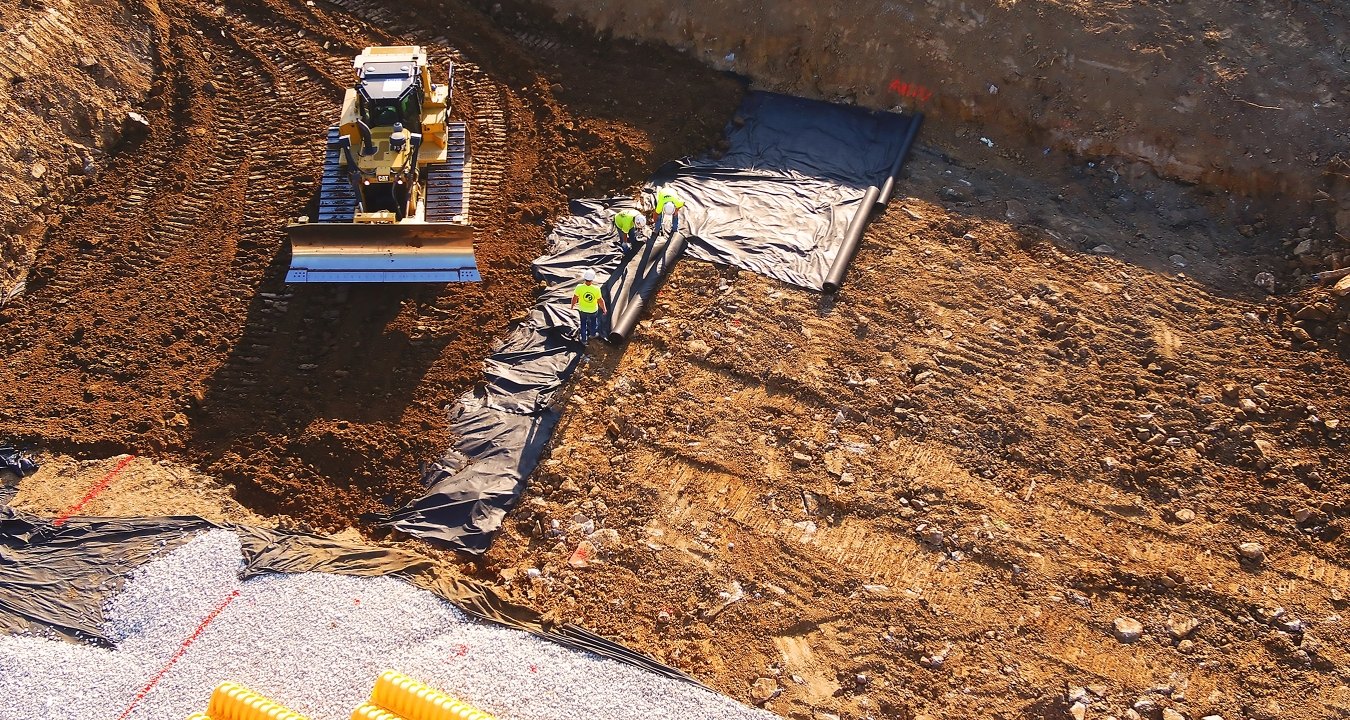
From grading and excavation to detention and retention pond construction—Castle has the experience and equipment to design and build effective stormwater management infrastructure. We help owners navigate site requirements and deliver work that performs flawlessly long after construction is complete.
Learn more about working with Castle when you contact us today.